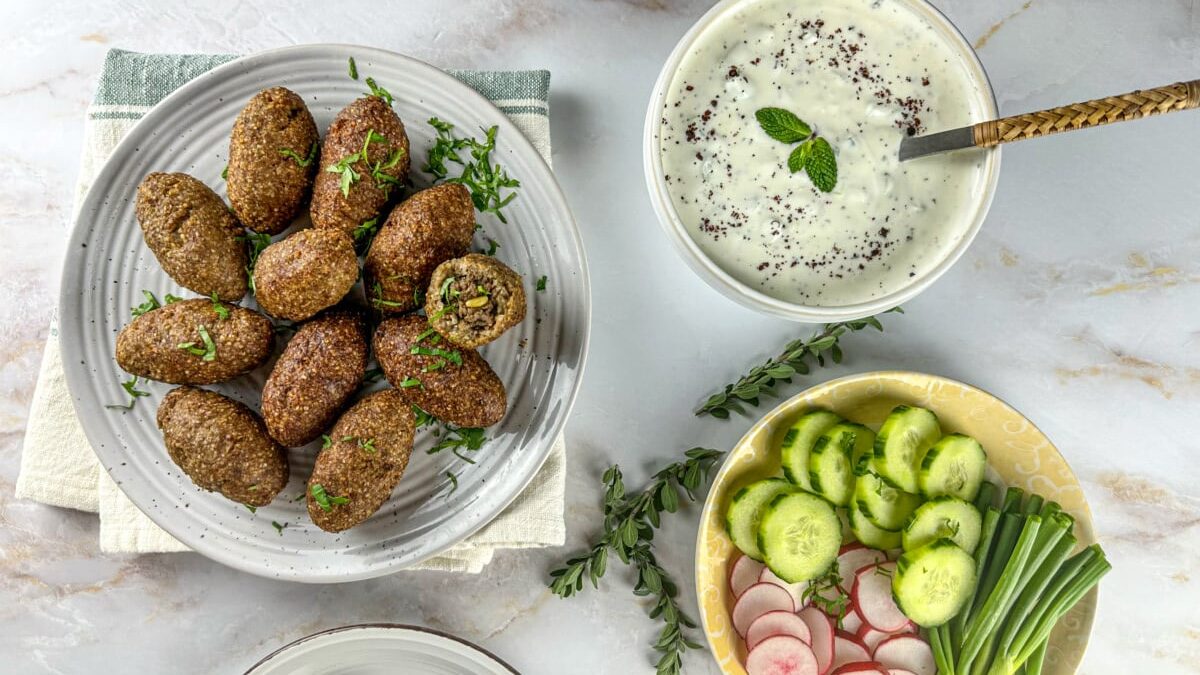
Authentic Lebanese Kibbeh: Secrets to Crispy Shells & Flavorful Stuffing
Kibbeh, a culinary jewel of the Middle East, is more than just a dish; it's a profound expression of Lebanese heritage, a labor of love passed down through generations. This iconic delicacy, celebrated for its perfectly crispy shell and sumptuously seasoned stuffing, holds a special place at any gathering, from casual family meals to grand mezze spreads. The rhythmic motion of hands shaping each delicate piece, the intoxicating aroma of spices, and the shared joy of creation are memories deeply etched in the hearts of those who grew up around it.
While often perceived as a challenge, mastering this classic kibbeh recipe is incredibly rewarding. With patience, precision, and the right techniques, you too can craft golden-brown, flavor-packed bites that will impress even the most discerning palates. Join us as we unlock the secrets to achieving those enviable crispy shells and a rich, tangy stuffing that makes authentic Lebanese kibbeh truly unforgettable.
The Heart of the Kibbeh: Crafting the Perfect Shell
The foundation of an exquisite kibbeh lies in its shell – a delicate yet sturdy casing that promises a delightful crunch with every bite. Achieving the ideal texture and flavor requires attention to specific ingredients and preparation methods:
- Bulgur Wheat (Fine #1): The choice of bulgur is paramount. Opting for #1 fine bulgur is crucial for the desired smooth, pliable dough. Unlike coarser grinds, fine bulgur creates a delicate texture perfect for shaping. It’s essential to wash and drain the bulgur thoroughly to remove any impurities. However, avoid soaking it for extended periods, as it needs to retain some firmness. Patting it dry afterward ensures the right consistency, preventing a soggy dough that's difficult to work with.
- Lean Ground Beef: Lean ground beef forms the backbone of the kibbeh shell, providing both structure and a savory depth. Using lean beef is vital to prevent the shell from becoming overly greasy during cooking, which can compromise its crispness and overall balance.
- Aromatic Herbs: The distinct character of Lebanese kibbeh is significantly enhanced by its herb blend. Dry mint offers a refreshing, cooling counterpoint, while fresh or dry marjoram infuses the dough with its signature aromatic and slightly peppery notes. These herbs are not merely seasonings; they are integral to the dish's Middle Eastern identity, contributing to its complex and inviting fragrance.
- Signature Spices: A judicious blend of salt, cinnamon, and black pepper is fundamental. Cinnamon, a hallmark of Middle Eastern cuisine, adds a warm, sweet, and slightly spicy layer that elevates the beef's natural flavor. Black pepper provides a subtle heat, while salt, of course, enhances all the other flavors. Some traditional kibbeh recipe variations also include a touch of allspice, further deepening the aromatic profile.
- Ice-Cold Water: This seemingly simple ingredient is a game-changer. Adding ice-cold water in the right proportion is critical for achieving the proper consistency and binding of the kibbeh shell. It helps keep the meat firm, prevents it from becoming sticky, and allows the ingredients to meld into a smooth, pliable dough that's easy to shape into its characteristic hollow form. It’s the secret to a well-emulsified mixture that holds its shape beautifully.
Unlocking the Soul: A Rich and Tangy Stuffing
While the shell provides the crunch, the stuffing delivers the soul of the kibbeh – a harmonious blend of savory, tangy, and nutty flavors that burst forth with every bite. The complexity of the filling is what truly sets an authentic kibbeh recipe apart:
- Fat for Flavor: Ghee or Olive Oil: The stuffing often begins with sautéing ingredients in either rich ghee or fragrant olive oil. Ghee, clarified butter, imparts a deep, nutty, and luxurious flavor, characteristic of traditional Middle Eastern cooking. Olive oil offers a lighter, fruitier base, allowing the other ingredients to shine.
- Savory Ground Meat (Lamb or Beef): A robust base of ground lamb or beef is essential. Lamb offers a richer, more gamey flavor, while beef provides a classic, comforting taste. The meat should be finely crumbled and browned until caramelized, developing deep, savory notes that are crucial to the stuffing's character.
- Sweet Aromatic Onions: Finely diced onions are sautéed until translucent and sweet, providing an aromatic foundation that complements the richness of the meat and spices. They are key to building the stuffing's flavor profile.
- A Symphony of Spices: Beyond salt and pepper, the stuffing is typically seasoned with a more generous hand. Allspice is a common addition, offering a warm, sweet, and pungent flavor reminiscent of cloves, cinnamon, and nutmeg combined. A touch more cinnamon can be added, along with a hint of cayenne pepper for those who enjoy a subtle kick. The goal is to create a deeply flavored, well-balanced mixture that is both comforting and exciting.
- The Tangy Secret: Pomegranate Molasses: This ingredient is arguably the most crucial for an authentic Lebanese kibbeh stuffing. Pomegranate molasses, a thick, dark syrup made from reduced pomegranate juice, introduces a unique sweet-tart, almost balsamic depth. It provides a vibrant tang that beautifully cuts through the richness of the meat and rounds out the spice blend, making the stuffing incredibly complex and addictive. Don't skip it; it's what truly elevates this kibbeh recipe.
- Crunch and Nutty Elegance: Toasted Pine Nuts: Toasted pine nuts are folded into the stuffing, adding a delightful crunch and a buttery, earthy flavor. Their mild nuttiness provides a pleasant textural contrast and an extra layer of sophistication, completing the stuffing's delicious composition.
- A Bright Finish: Lemon Juice: A squeeze of fresh lemon juice at the end brightens all the flavors, adding a final touch of acidity that lifts the entire stuffing and makes it sing.
Mastering the Art of Shaping and Frying (or Baking)
Shaping kibbeh is often cited as the most intimidating step, but with a little practice and these tips, you'll be creating perfectly formed pieces in no time. For many Middle Eastern women, this process, much like stuffing zucchini or rolling grape leaves, is a cherished communal activity – a testament to the dish's cultural significance.
The Art of Shaping:
The key to a hollow shell is a delicate touch and wet hands. Start by taking a small portion of the kibbeh dough. With moistened hands, gently form it into a ball, then use your thumb or forefinger to create a deep indentation in the center. Carefully rotate the ball, pressing and thinning the walls evenly until you have a delicate, hollow shell. The walls should be thin but strong enough to hold the stuffing without tearing. Spoon in a generous amount of the flavorful stuffing, then gently pinch and seal the opening, ensuring no stuffing escapes during cooking. A smooth, even seal is essential for a beautiful, intact kibbeh. Remember, patience and a bowl of ice-cold water for wetting your hands are your best friends here. For more specific guidance, check out our article on Your First Perfect Kibbeh: Essential Tips for the Lebanese Delight.
Cooking Methods for Crispy Perfection:
- Deep Frying: This is the traditional method for achieving the iconic crispy shell. Heat a neutral oil (like vegetable or canola) to around 350-375°F (175-190°C). The oil must be hot enough to crisp the shell quickly without overcooking the inside. Fry the kibbeh in batches, ensuring not to overcrowd the pan, which can lower the oil temperature and lead to soggy kibbeh. Turn them gently until they are uniformly golden brown and irresistibly crispy. Drain on paper towels to remove excess oil.
- Baking: For a healthier alternative, baking can also yield a delicious result, though the texture will be slightly different – more of a firm crust than a deep-fried crunch. Preheat your oven to a high temperature, around 400-425°F (200-220°C). Lightly brush the shaped kibbeh with olive oil or melted ghee before baking. This helps create a golden, slightly crispy exterior. Bake until deeply golden brown, flipping halfway through for even browning.
Serving Suggestions and Cultural Significance
Kibbeh is a versatile dish, equally at home as a star of a grand feast or a comforting everyday meal. It's often enjoyed as part of a traditional Lebanese mezze spread, where its rich flavors beautifully complement a variety of other dishes. Imagine pairing your crispy kibbeh with:
- Creamy hummus and smoky moutabal (baba ghanoush)
- Tangy tabbouleh salad, with its refreshing burst of parsley and mint
- Fiery muhammara, a roasted red pepper and walnut dip
- Warm pita bread, perfect for scooping up any delicious bits
Beyond mezze, kibbeh can also be served as a side dish or even a main course, accompanied by a simple yogurt sauce or a fresh green salad. Its hearty, comforting nature makes it a perennial favorite for family gatherings and celebrations, embodying the warmth and generosity of Lebanese hospitality. It truly is the epitome of Middle Eastern comfort food.
Conclusion
From the rhythmic blend of bulgur and meat for its perfect shell to the symphony of spices and the tangy burst of pomegranate molasses in its stuffing, the authentic Lebanese kibbeh recipe is a culinary masterpiece. It's a dish that tells a story of tradition, patience, and love, inviting you to partake in a rich cultural heritage. While it demands attention to detail, the reward of biting into a perfectly crafted, crispy, and flavorful kibbeh is immeasurable. Don't hesitate to embark on this delicious journey; with these secrets in hand, you’re well on your way to mastering this timeless Lebanese classic and perhaps, creating new traditions in your own kitchen.
