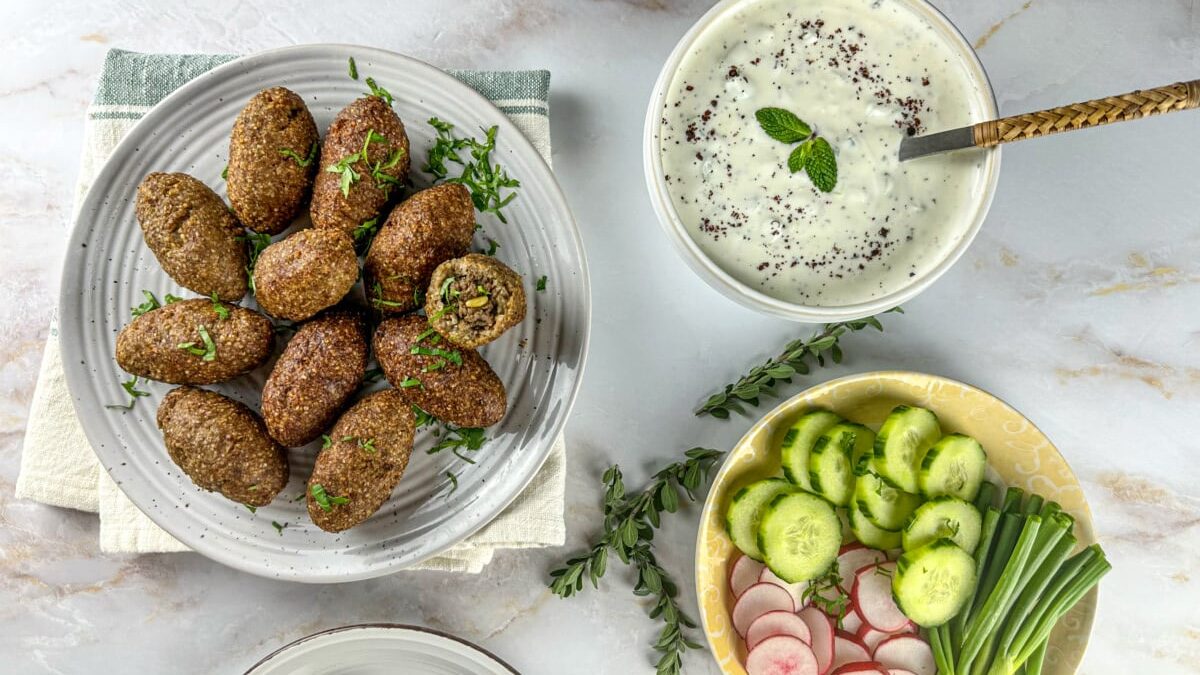
Your First Perfect Kibbeh: Embarking on a Lebanese Culinary Journey
Kibbeh isn't just a dish; it's a culinary emblem of Lebanese heritage, a masterpiece that speaks of tradition, patience, and a deep love for food. Often described as a labor of love, this Middle Eastern delicacy offers a burst of bold, aromatic flavors that are truly worth savoring. If you've ever dreamt of crafting those golden, crispy, flavor-packed bites yourself, you're in the right place. This guide is designed to transform that dream into a delicious reality, walking you through the essential tips for creating your first perfect kibbeh.
For generations, the rhythmic motion of hands blending bulgur, seasoned meat, and an array of spices has been a familiar scene in Lebanese kitchens. Family gatherings often revolved around preparing large batches of these delicate shells, meticulously shaped and stuffed before being tucked away for future cravings. The process demands a certain dedication, precision, and skill, but the reward — that unforgettable taste of perfectly made kibbeh — is immeasurable. Whether you're a seasoned home cook or stepping into the world of Lebanese cuisine for the very first time, mastering this timeless dish is an incredibly rewarding experience.
A true culinary jewel, kibbeh is a must-have for any authentic mezze spread. Imagine pairing its rich flavors with creamy hummus, a vibrant muhammara, and warm pita, or enjoying it alongside tangy moutabal and refreshing tabbouleh for an ultimate sensory experience. Let's dive into the core components and essential techniques that will help you create a masterpiece of your own.
The Foundation of Flavor: Key Ingredients for Your Kibbeh Recipe
Every exceptional dish begins with exceptional ingredients. For your kibbeh recipe, selecting and preparing the right components is paramount to achieving that authentic taste and texture. Here’s a closer look at the stars of the show:
- Bulgur Wheat: The Soul of the Shell
The choice of #1 fine bulgur is critical for achieving kibbeh's characteristic smooth, delicate, and desirable texture. It’s essential to wash and drain the bulgur thoroughly, removing any impurities. However, a common mistake is soaking it. Resist the urge to soak! Bulgur needs to maintain some firmness to provide structure to the shell. After washing, patting it dry ensures the right consistency, preventing a soggy, unmanageable dough. This careful preparation is the secret to a kibbeh shell that holds its shape beautifully and crisps up perfectly when cooked. - Ground Beef: Lean and Flavorful
Lean ground beef forms the heart of the kibbeh shell, providing the necessary meaty richness and structure without making it greasy. Opting for a very lean cut (90/10 or higher) is crucial for a balanced result, as excess fat can cause the shell to crack during cooking. For the stuffing, you can use ground beef or lamb, each offering a slightly different but equally delicious flavor profile. - Aromatic Herbs: The Essence of the Middle East
The combination of dry mint and fresh or dry marjoram infuses kibbeh with its distinctive, earthy Middle Eastern flavors. These herbs add an aromatic complexity that elevates the overall taste profile, creating that signature fragrance that is instantly recognizable. Don't skip these; they are fundamental to the authentic kibbeh experience. - Spices: A Symphony of Taste
The blend of salt, cinnamon, and black pepper adds layers of warmth and depth to the kibbeh shell. While these are foundational, many traditional kibbeh recipes also incorporate a touch of allspice, which further enhances the rich, savory notes and contributes to the quintessential Middle Eastern comfort food flavor. - Ice-Cold Water: The Binding Agent
Adding ice-cold water in the right proportion is crucial for achieving the proper consistency of the kibbeh shell mixture. It helps to bind the ingredients, creating a pliable dough that is easy to shape. The cold temperature also helps to keep the meat firm and prevents any fat from rendering too early, which could make the mixture greasy and difficult to work with. - Stuffing Delights: Richness and Tang
The magic continues with the stuffing. Ingredients like ghee or olive oil provide a rich base for sautéing the ground lamb or beef. A medley of spices, often including cinnamon, allspice, and a touch more salt and pepper, enhances the savory depth. The true game-changer, however, is pomegranate molasses. This tart-sweet syrup adds a unique, essential depth and tangy complexity that makes the stuffing truly special. Finally, toasted pine nuts contribute a delightful crunch and nutty flavor, completing the stuffing's delicious composition.
Mastering the Craft: Shaping and Cooking Your Kibbeh
The journey from a bowl of ingredients to perfectly formed kibbeh requires patience and practice, especially when it comes to shaping. This is where the artistry of the authentic Lebanese kibbeh recipe truly shines.
The Art of Shaping Kibbeh Croquettes
Shaping kibbeh is often seen as a communal activity among Middle Eastern women, a recreational art as serious as stuffing zucchini or rolling grape leaves. Here are some pro tips to help you:
- Keep Your Hands Moist: Regularly dip your hands in ice-cold water while shaping the kibbeh shell. This prevents the mixture from sticking and helps create a smooth, even surface.
- Even Thickness: Aim for a consistent, thin shell. A shell that is too thick will be bready, while one that is too thin might break during frying or baking. Practice makes perfect here!
- Don't Overstuff: Fill the hollowed shell generously but leave enough space to seal it without forcing the stuffing out. Overstuffing can cause the kibbeh to burst during cooking.
- Seal with Care: Pinch the open end closed, ensuring there are no cracks or openings. A well-sealed kibbeh will cook evenly and retain its juices.
Cooking Methods: Fried vs. Baked
Kibbeh croquettes can be prepared in a couple of delicious ways:
- Deep-Fried Kibbeh: This is perhaps the most classic preparation, yielding a wonderfully crispy, golden-brown exterior and a tender, flavorful interior.
- Oil Temperature: Maintain a consistent oil temperature of around 350-375°F (175-190°C). If the oil isn't hot enough, the kibbeh will absorb too much oil and become greasy. If it's too hot, the exterior will burn before the inside is cooked.
- Don't Overcrowd: Fry in batches to avoid lowering the oil temperature, which can lead to soggy kibbeh.
- Golden Perfection: Fry until uniformly golden brown and crispy.
- Baked Kibbeh: For a slightly healthier take that's equally delicious, baking is a fantastic alternative, often resulting in a hearty casserole or individual croquettes with a crispy herb crust.
- Grease the Pan: Ensure your baking dish is well-greased with olive oil or ghee to prevent sticking and aid in browning.
- Crispy Crust: Brushing the tops of baked kibbeh with a little olive oil or ghee before baking can help achieve a beautiful, crispy crust.
- Even Baking: Bake at a moderate temperature (around 375°F/190°C) until golden brown and cooked through.
Advanced Tips for a Flawless Kibbeh Recipe
Beyond the basics, a few extra insights can elevate your kibbeh-making skills and ensure consistent success:
- Quality of Meat Matters: For the best flavor and texture, use fresh, high-quality ground beef or lamb. You might even consider grinding your own meat for superior control.
- Don't Rush the Dough: After combining the bulgur and meat for the shell, let the mixture rest for about 15-20 minutes. This allows the bulgur to fully absorb any remaining moisture and the flavors to meld, resulting in a more pliable and stable dough.
- Adjusting Consistency: If your kibbeh shell mixture feels too dry and crumbly, add ice-cold water, a tablespoon at a time, until it becomes pliable. If it's too wet, you can carefully add a tiny bit more bulgur (though this is less ideal) or let it sit for a few more minutes to absorb.
- Freezing for Convenience: Kibbeh is excellent for meal prep! Once shaped (but before cooking), arrange the raw kibbeh on a baking sheet and freeze until solid. Then transfer them to freezer-safe bags or containers. They can be deep-fried or baked directly from frozen, simply adding a few extra minutes to the cooking time.
- Taste, Then Adjust: Always taste your stuffing mixture before filling the kibbeh. This is your chance to adjust the salt, spices, or pomegranate molasses to your preference.
Serving Your Lebanese Delight
Once your kibbeh is perfectly cooked, it's time to enjoy the fruits of your labor. Kibbeh is incredibly versatile. Serve the croquettes as part of a grand mezze spread alongside creamy hummus, fiery muhammara, tangy moutabal, and refreshing tabbouleh. They also make a fantastic appetizer on their own or a delightful side dish to any Middle Eastern meal. A squeeze of fresh lemon juice just before serving can brighten the flavors beautifully.
Making your first perfect kibbeh is a journey of discovery, a delicious challenge that connects you to centuries of culinary tradition. It embodies passion, precision, and the joy of sharing. While the process demands patience and skill, every bite of a perfectly crafted kibbeh will remind you that it was indeed made with heart. So, roll up your sleeves, embrace the process, and get ready to impress yourself and your loved ones with this unforgettable Lebanese delight. Who knows? You might just find yourself starting a new family tradition.
